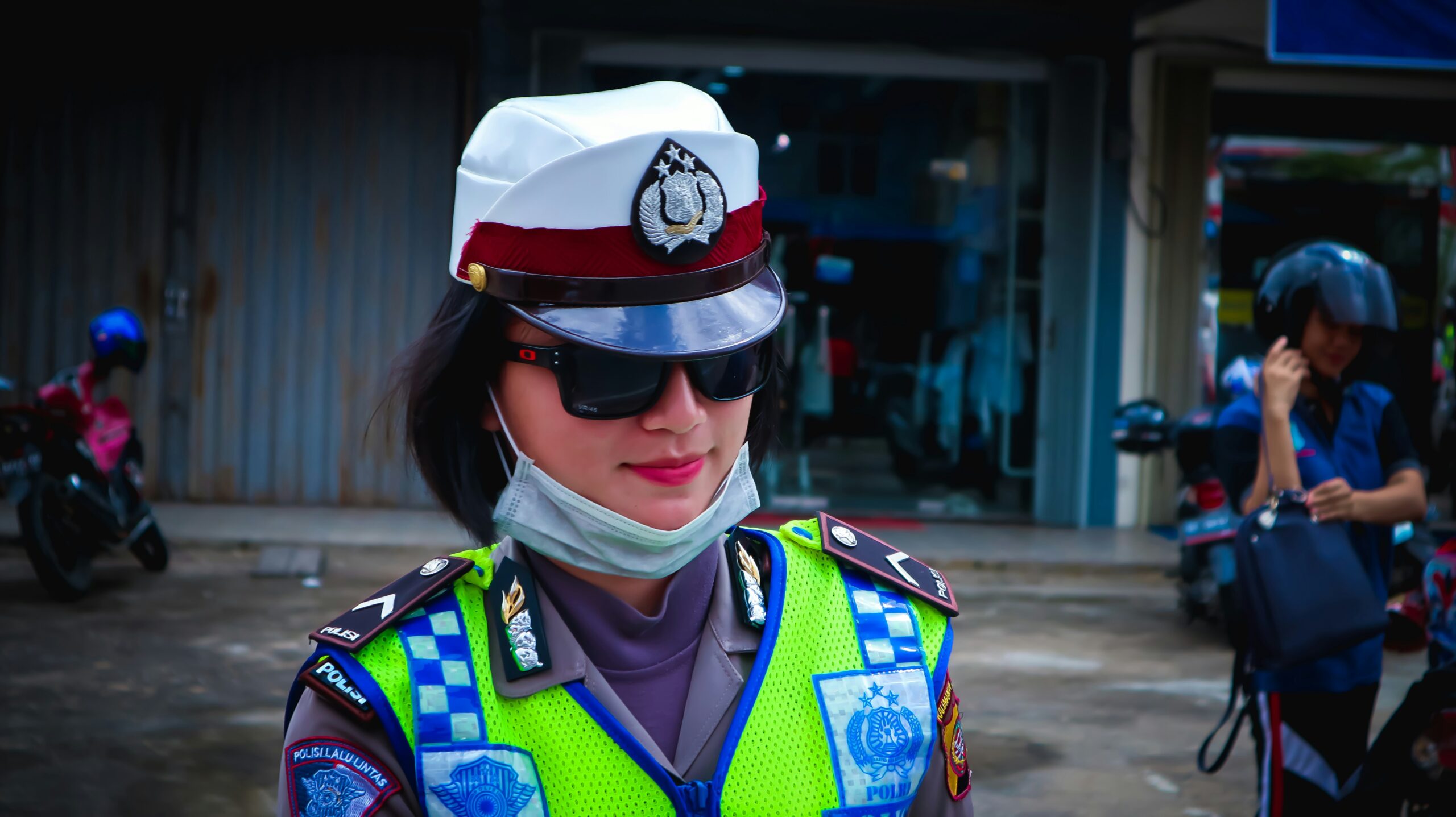
Women Police Magazine has become a defining voice for recognizing courage in uniform across modern policing. The publication highlights leadership, integrity, and resilience among women in law enforcement. Moreover, it documents stories that are often overlooked in traditional policing narratives.
By centering women’s lived experiences, Women Police Magazine reshapes how leadership in policing is understood. It connects courage with accountability, service, and ethical strength. As a result, the magazine serves as both an archive and a catalyst for progress.
Women Police Magazine and the Meaning of Courage in Law Enforcement
Women Police Magazine frames courage as purposeful action under pressure rather than symbolic heroism. It emphasizes moral clarity, emotional intelligence, and professional discipline. Consequently, courage becomes a daily practice instead of a single dramatic moment.
The magazine consistently shows how women officers navigate complex community expectations. They balance enforcement responsibilities with empathy and communication. Therefore, courage emerges as a strategic leadership skill rather than a reactive trait.
Honoring Women in Uniform Through Storytelling and Visibility
Women Police Magazine uses storytelling to elevate women in uniform and their professional contributions. These narratives validate experience, sacrifice, and long-term service. Furthermore, they counter outdated assumptions about women’s roles in policing.
Visibility matters because recognition shapes institutional culture. When women officers see themselves represented, confidence and ambition increase; as a result, storytelling becomes an operational tool for organizational change.
Women in Law Enforcement and the Power of Recognition
Recognition of women in law enforcement directly influences retention and leadership development. Women Police Magazine highlights achievements that departments often underpublicize. Therefore, it fills a structural gap in professional acknowledgment.
Public recognition also strengthens legitimacy within communities. When citizens see diverse leadership, trust improves. Consequently, honoring women officers benefits both internal culture and external relationships.
Leadership in Policing as Defined by Women Police Magazine
Leadership in policing requires adaptability, ethical judgment, and collaboration. Women Police Magazine consistently frames leadership as service-oriented and mission-driven. Moreover, it positions women leaders as architects of sustainable reform.
The magazine profiles chiefs, supervisors, and frontline officers who lead without spectacle. Their influence develops through consistency and credibility. Thus, leadership is measured by impact rather than rank alone.
Female Police Officers Redefining Command and Authority
Female police officers often lead through consensus-building and strategic communication. Women Police Magazine documents these leadership styles with professional rigor. As a result, alternative leadership models gain institutional legitimacy.
These officers manage crises while maintaining community trust. They also mentor emerging leaders across ranks. Therefore, authority expands beyond command presence into long-term organizational stewardship.
Courage in Uniform During Cultural and Operational Change
Courage in uniform becomes essential during periods of reform and public scrutiny. Women Police Magazine addresses these pressures with analytical depth. It explores how women officers guide departments through uncertainty.
Change demands transparency and resilience. Women leaders often operate at the intersection of policy and public expectation. Consequently, courage involves sustained decision-making under constant evaluation.
Women Police Magazine and Thought Leadership in Policing
Women Police Magazine serves as a thought-leadership platform in law enforcement media. It publishes insights on leadership, ethics, and professional development. Moreover, it contextualizes individual stories within systemic challenges.
Thought leadership requires credibility and consistency. The magazine earns trust through disciplined editorial standards. Therefore, it influences conversations beyond recognition and celebration.
Building the Future of Women in Law Enforcement
Women Police Magazine actively shapes the future of women in law enforcement. It highlights pipelines for advancement and leadership readiness. Furthermore, it reinforces the importance of mentorship and institutional support.
Future-focused coverage encourages departments to rethink recruitment and promotion practices. When women advance, organizations gain a broader perspective. As a result, leadership capacity expands across the profession.
Why Honoring Women in Uniform Strengthens Policing
Honoring women in uniform strengthens accountability and morale across agencies. Women Police Magazine demonstrates how recognition aligns values with practice. Consequently, honoring service becomes an operational priority rather than a ceremonial act.
Strong institutions depend on inclusive leadership. When women leaders receive recognition, organizational credibility increases. Therefore, honoring women officers supports both performance and public trust.
Women Police Magazine as a Standard Bearer for Courage
Women Police Magazine stands as a standard bearer for courage, leadership, and professional excellence. It honors women in uniform while shaping the future of policing. Moreover, it reframes courage as disciplined, ethical leadership.
By amplifying women’s voices, the magazine strengthens the culture of law enforcement. It ensures recognition aligns with service and integrity. Ultimately, Women Police Magazine leads by example in honoring courage where it matters most.