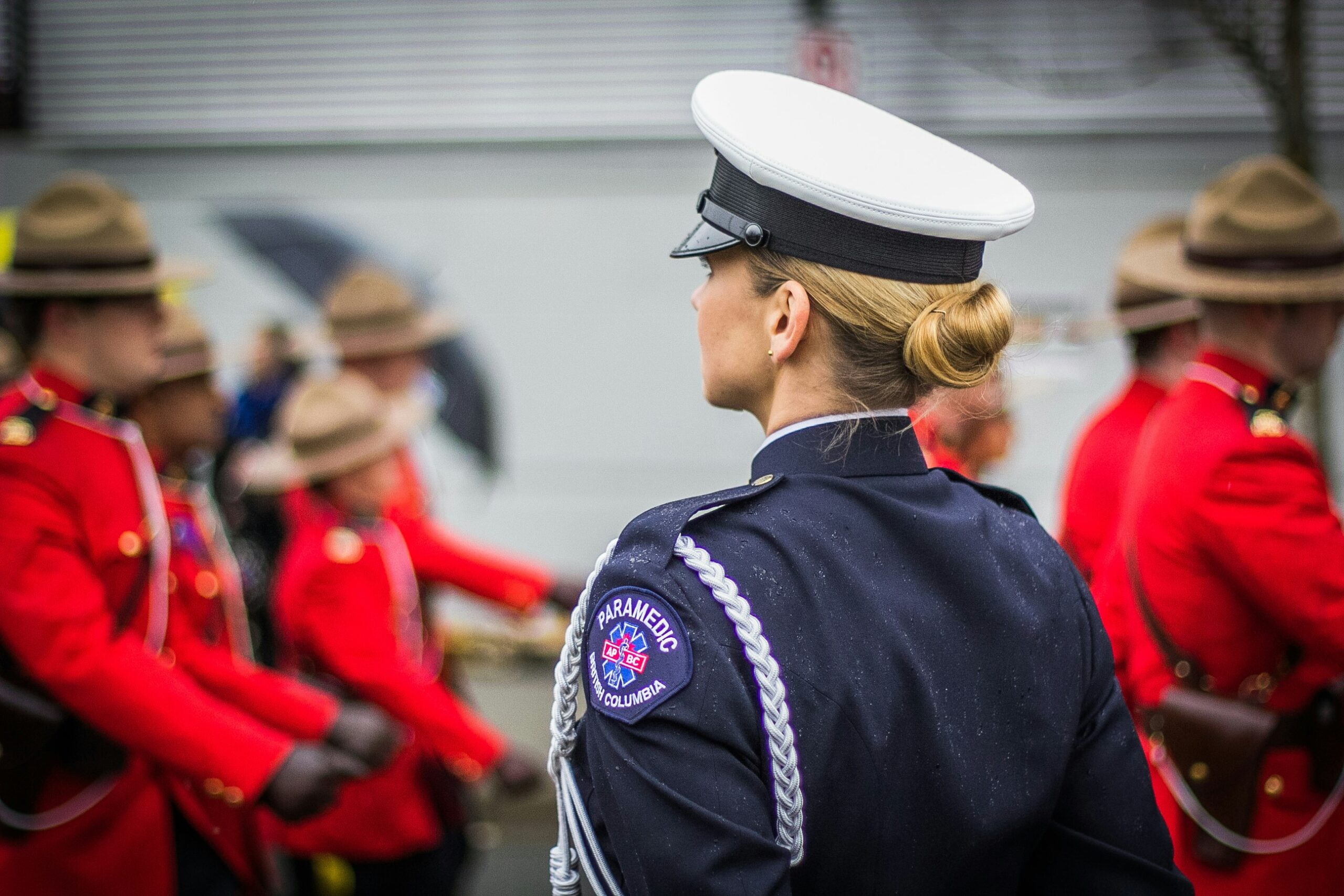
For decades, law enforcement was viewed as a man’s world, but courageous women have continually challenged this notion. They entered the field with strength, determination, and resilience, often being the first in their departments or units. These women faced discrimination, skepticism, and immense pressure to prove their worth in a field traditionally defined by masculinity. Their presence has not only diversified the force but also reshaped public perception of what leadership and service in law enforcement look like.
Today, women serve in every capacity within the police force, from patrol officers to detectives and department chiefs. Their contributions go beyond arrest records and investigations. They bring empathy, communication skills, and community-building perspectives that improve the quality of policing. As more women step into these roles, they continue to break down barriers and pave the way for future generations of female officers.
Women Leaders Who Inspire Change
Leadership in law enforcement is a pinnacle achievement that requires courage, commitment, and excellence. Women such as Cathy Lanier, the first female chief of police in Washington, D.C., and Carmen Best, the former chief of the Seattle Police Department, have redefined what leadership looks like in modern policing. Their rise to leadership positions reflects a shift in societal values and institutional recognition of diverse leadership styles.
These women leaders not only managed large metropolitan police forces but also implemented community-based policies, addressed racial tensions, and led during times of crisis. Their stories are proof that women in uniform can guide departments with wisdom, compassion, and strategic vision. Their impact stretches beyond their departments and into the communities they serve, where they serve as role models to young women and girls aspiring to enter law enforcement.
Community Engagement and Building Trust
Women in law enforcement often take a community-centered approach to their duties. They understand the value of building relationships and trust with the public. This human-centered policing style promotes safety not just through enforcement but through mutual respect and collaboration. Their approach often leads to de-escalation of tense situations and more positive outcomes for all involved.
Programs led by female officers that engage youth, support victims of domestic violence, or focus on outreach in underserved communities have proven incredibly effective. These efforts reinforce the importance of empathy, understanding, and active listening within policing. Women officers often bridge the gap between enforcement and community relations, helping departments build lasting trust.
Facing and Overcoming Challenges
Despite their accomplishments, women in law enforcement continue to face unique challenges. Gender bias, underrepresentation in tactical and command roles, and unequal promotional opportunities persist in many departments. Balancing the demands of the job with personal and family life adds another layer of complexity to their careers. However, these obstacles have not deterred determined women from continuing their pursuit of justice and equity.
Support networks, mentorship programs, and professional organizations have played a crucial role in helping women overcome these challenges. Women in law enforcement have found strength in solidarity, mentoring one another, advocating for equal policies, and working together to create inclusive workplaces. Their resilience highlights their dedication not only to their careers but also to the systemic change needed in the industry.
Contributions in Specialized Units
Women have made remarkable strides in specialized areas of law enforcement, such as SWAT teams, K-9 units, cybercrime divisions, and forensic departments. Their expertise in these fields demonstrates their ability to excel in high-pressure, technically demanding, and complex roles. These positions require rigorous training, strategic thinking, and emotional composure, all qualities that women have brought in abundance.
The visibility of women in these units inspires others to pursue similar paths and challenge the perception that specific roles are reserved for men. Female officers in specialized units bring a unique lens that often results in innovative approaches to problem-solving and crime prevention. Their presence in these elite roles continues to enrich and evolve law enforcement’s capabilities as a whole.
Impact on Policy and Reform
Women in law enforcement are not only enforcing policies but also shaping them. Their voices are increasingly influential in discussions about police reform, training protocols, and community oversight. Their lived experiences bring valuable insight into how policies affect officers and communities alike. They advocate for trauma-informed training, mental health awareness, and diversity in recruitment, contributing to a more inclusive and effective system.
These women serve on national boards, participate in federal task forces, and work with local leaders to drive reform. Their efforts reflect a deep understanding of the balance between enforcement and compassion. By contributing to policy decisions, they ensure law enforcement evolves to meet the needs of modern society while remaining grounded in justice and fairness.
Recognizing Sacrifice and Valor
Women in law enforcement have made sacrifices equal to their male counterparts, including putting their lives on the line. Many have lost their lives in the line of duty or sustained injuries while protecting others. These sacrifices should be honored and remembered as part of the legacy of service and bravery that defines the profession.
Memorials, scholarships, and public recognition serve as important reminders of the contributions of female officers. Their stories deserve to be highlighted not only during Women’s History Month or special observances but as an integral part of law enforcement history. Acknowledging their courage and valor reinforces their rightful place in the annals of public service.
The Road Ahead
While much progress has been made, there is still work to do to achieve true equality in law enforcement. Departments must continue to foster inclusive cultures, eliminate barriers to advancement, and provide equal opportunities for training and leadership. The growing number of women in law enforcement is promising, and it must be matched by organizational support and community appreciation.
Encouraging diversity in law enforcement is not just a matter of fairness; it’s a matter of effectiveness. A balanced force that reflects the communities it serves is better positioned to address their needs. As women continue to rise in the ranks, their perspectives, talents, and leadership will shape a more just and equitable future in policing.