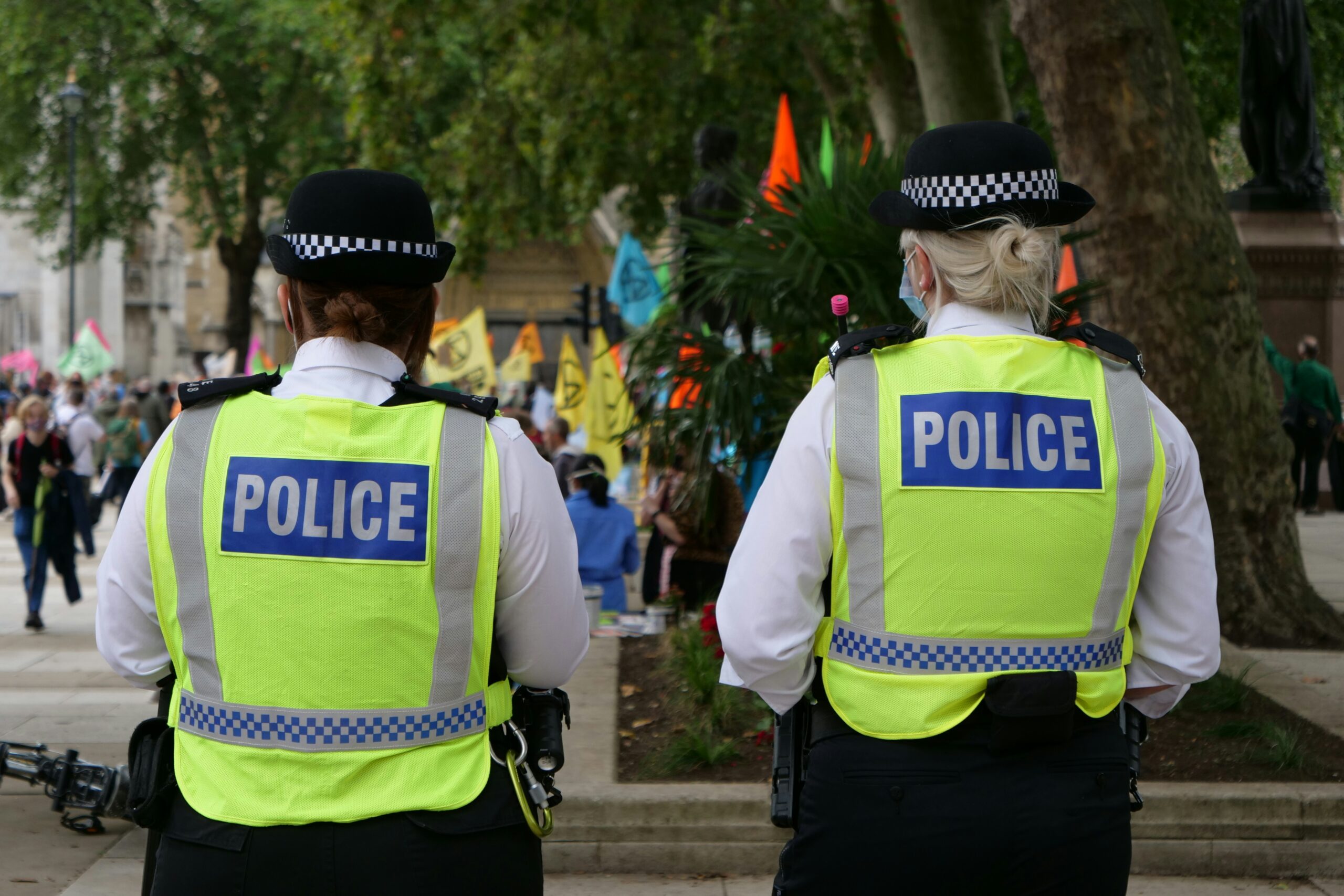
Women have become an essential force in modern law enforcement, bringing leadership, communication skills, and community-focused strategies that are reshaping public safety across the United States. Over the past few decades, the presence of female officers has steadily increased in police departments, federal agencies, and specialized investigative units. Their contributions have improved trust between communities and law enforcement while helping agencies adapt to changing social expectations.
As public safety challenges continue to evolve, women in law enforcement are proving that diversity strengthens policing efforts. Their impact extends beyond representation because female officers often introduce new perspectives that improve decision-making, conflict resolution, and community engagement. The growing role of women in policing reflects a broader shift toward more inclusive and effective public safety practices.
The Growing Presence of Women in Law Enforcement
The number of women serving in law enforcement has steadily risen since the late twentieth century. While policing was once viewed as a male-dominated profession, departments across the country now actively recruit women to create more balanced and representative forces. Female officers are serving in patrol divisions, homicide units, cybercrime teams, and leadership positions, demonstrating their capabilities across every area of policing.
This increase has been supported by changing cultural attitudes and expanded opportunities for women in public service careers. Training programs and mentorship initiatives have also encouraged more women to enter the profession. As a result, many departments are recognizing the value of having officers who reflect the diversity of the communities they protect.
How Female Officers Improve Community Relations
Female officers often play a significant role in strengthening relationships between law enforcement agencies and local communities. Studies have shown that women officers are more likely to use communication and de-escalation techniques when handling conflicts. These approaches can reduce tension during interactions and improve public trust in policing efforts.
Communities often respond positively to officers who demonstrate empathy and active listening. Women in law enforcement are often effective in situations involving vulnerable populations, including domestic violence victims, children, and individuals experiencing mental health crises. Their ability to build rapport can encourage cooperation and create safer outcomes during difficult encounters.
Leadership and Innovation in Modern Policing
Women are increasingly taking on leadership roles within police departments and federal agencies. Female chiefs, sheriffs, and supervisors are helping shape policies that focus on accountability, transparency, and community-oriented policing. Their leadership styles often emphasize collaboration and long-term problem-solving, thereby strengthening departmental culture.
Innovative approaches introduced by female leaders have also improved workplace environments within law enforcement agencies. Many women leaders advocate for better training, mental health resources, and professional development opportunities for officers. These efforts contribute to healthier work environments and more effective policing strategies overall.
The Impact on Public Safety and Crime Prevention
The growing involvement of women in law enforcement has had a measurable effect on public safety outcomes. Research indicates that female officers are less likely to use excessive force and more likely to resolve situations peacefully. These practices can reduce complaints against police departments and improve confidence in law enforcement institutions.
Women officers also contribute to stronger crime prevention efforts through community outreach and education programs. By building positive relationships with residents, they help create partnerships that support neighborhood safety. Increased cooperation between communities and police departments often leads to better crime reporting and more effective prevention strategies.
Challenges Women Continue to Face in Policing
Despite their achievements, women in law enforcement still face several challenges. Gender bias, unequal opportunities for advancement, and workplace discrimination remain concerns in some departments. Female officers may also encounter skepticism about their abilities, particularly in physically demanding or tactical roles.
Balancing professional responsibilities with family life can present additional difficulties for women in policing. Long shifts, high stress levels, and demanding schedules affect many officers, but women often face additional pressure from caregiving responsibilities. Departments that provide flexible policies and supportive workplace cultures are better positioned to retain talented female officers.
Recruitment and Retention Efforts for Female Officers
Many law enforcement agencies are now focused on recruiting and retaining more women. Outreach programs, scholarships, and mentorship initiatives encourage young women to consider careers in public safety. Departments are also improving hiring practices to create more inclusive environments for female candidates.
Retention efforts are equally important because supportive workplaces help officers build long and successful careers. Providing leadership opportunities, equal advancement pathways, and family-friendly policies can improve job satisfaction among female officers. Agencies that prioritize inclusion often experience stronger morale and better overall performance.
The Future of Women in Law Enforcement
The future of women in law enforcement looks increasingly promising as more agencies recognize the value of diversity in policing. Female officers are continuing to break barriers, earn leadership positions, and influence policies that shape modern public safety practices. Their presence is helping law enforcement evolve into a profession that values communication, fairness, and community trust.
As younger generations enter the workforce, the demand for inclusive and community-focused policing will likely continue to grow. Women will remain a driving force behind these changes, contributing fresh ideas and effective strategies for addressing public safety challenges. Their ongoing impact will play a vital role in building stronger relationships between law enforcement agencies and the communities they serve.
The rise of women in law enforcement represents a major shift in the future of public safety. Female officers bring valuable skills, leadership qualities, and community-centered approaches that improve policing outcomes and strengthen public trust. Their growing influence demonstrates that diversity within law enforcement agencies can create safer and more effective communities.
Although challenges remain, continued support for women in policing will help agencies attract and retain talented professionals who are committed to serving the public. As more women enter leadership roles and shape the future of law enforcement, their contributions will continue to transform public safety nationwide.