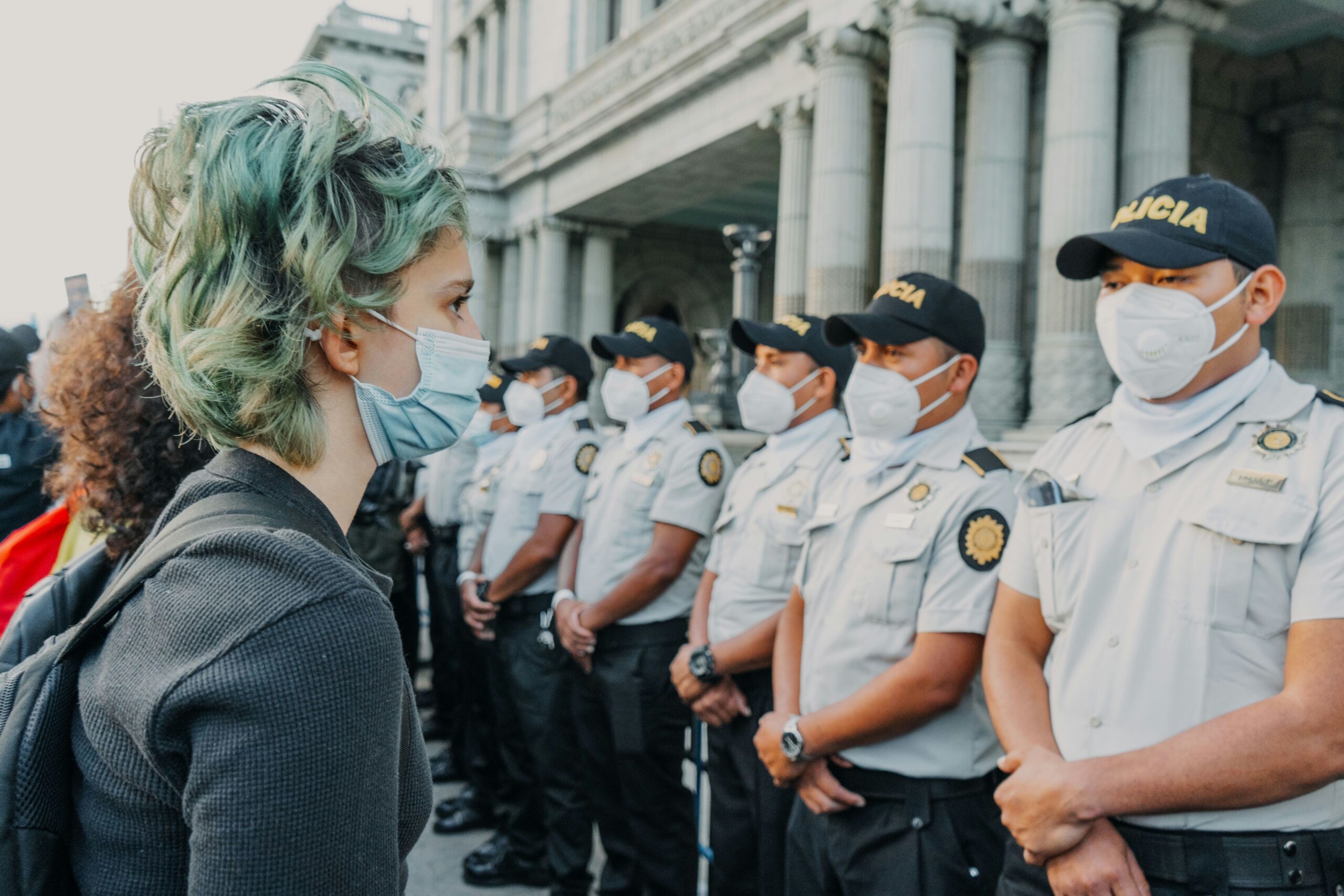
Women continue to shape modern law enforcement in powerful and visible ways. Over the past few decades, police departments across the United States have expanded opportunities for women in patrol units, investigations, leadership roles, and specialized divisions. As a result, communities now benefit from a more balanced and community-focused approach to policing. Women bring strong communication skills, attention to detail, and emotional intelligence that enhance public trust and improve everyday policing outcomes.
At the same time, representation matters deeply in law enforcement. When young women see officers who look like them, they begin to imagine new career paths in public safety. Moreover, departments that prioritize inclusion often see stronger teamwork and better community engagement. Women Police Magazine highlights these achievements and helps tell the stories that might otherwise go unnoticed in traditional media coverage.
How Women Police Magazine Amplifies Inspiring Stories
Women Police Magazine plays a key role in recognizing and promoting the accomplishments of women in law enforcement. The publication focuses on real stories from officers, detectives, supervisors, and federal agents who serve across different regions and agencies. Through these stories, the magazine shows how women handle complex investigations, lead crisis response efforts, and contribute to safer communities.
In addition, the magazine builds a strong sense of connection among women in policing. It shares experiences that reflect both challenges and victories, which helps readers feel understood and supported. Furthermore, it encourages open conversations about career growth, leadership development, and mental health in high-pressure roles. By doing so, Women Police Magazine strengthens women’s professional identity in law enforcement while also educating the public.
Leadership Growth Among Women in Law Enforcement
Women continue to rise into leadership positions within police departments, federal agencies, and specialized units. They now serve as chiefs, commanders, training officers, and supervisors, guiding teams through daily operations and long-term planning. As these roles expand, leadership styles within law enforcement also evolve to become more collaborative and community-centered.
Moreover, Women Police Magazine highlights how these leaders manage complex responsibilities while maintaining strong ethical standards. Many female leaders focus on mentorship and team development, which helps build stronger department cultures. In addition, they often emphasize communication and accountability, which leads to better decision-making across units. As a result, leadership representation continues to grow and inspire future generations of officers.
Training, Skill Development, and Professional Excellence
Training remains a core part of every law enforcement career, and women continue to excel in both physical and academic preparation. Police academies now support more inclusive training environments that encourage equal opportunity and skill development. Women officers often demonstrate strong performance in crisis negotiation, investigation techniques, and community engagement strategies.
Furthermore, Women Police Magazine highlights the importance of continuous learning throughout a policing career. Officers regularly attend advanced training programs in cybersecurity, behavioral analysis, and tactical response. In addition, many women take leadership in specialized areas such as cybercrime units, victim advocacy, and forensic investigation. These skills enhance law enforcement agencies’ overall effectiveness and improve public safety outcomes.
Community Engagement and Building Public Trust
Community trust remains essential in modern policing, and women officers often play a major role in strengthening these relationships. Their communication style and approachability help build stronger connections with residents, schools, and local organizations. As a result, communities often feel more comfortable reporting concerns and working with law enforcement.
Moreover, Women Police Magazine frequently showcases stories of outreach programs led by women officers. These programs include youth mentorship, neighborhood safety initiatives, and educational workshops. In addition, women in law enforcement often participate in conflict resolution efforts that reduce tensions and improve cooperation between police and the public. Through these efforts, they help create safer and more connected communities.
Overcoming Challenges in Law Enforcement Careers
Women in law enforcement continue to face unique challenges, including workplace bias, physical demands, and the balancing act of personal responsibilities with demanding schedules. However, many officers overcome these challenges through resilience, training, and strong support networks. Departments across the country are also making improvements to promote equality and provide better career development resources.
At the same time, Women Police Magazine brings attention to these challenges in a constructive way. It highlights real experiences while also sharing solutions and support systems that help officers succeed. Furthermore, the magazine encourages conversations about workplace fairness and professional respect. By doing so, it helps push the conversation forward in a positive and practical direction.
The Importance of Mentorship and Support Networks
Mentorship plays a powerful role in the success of women in law enforcement. Experienced officers often guide recruits through training, early career challenges, and long-term professional growth. This support helps younger officers build confidence and develop essential skills more quickly.
In addition, Women Police Magazine emphasizes the importance of strong professional networks. These networks allow women officers to share advice, discuss challenges, and celebrate achievements together. Moreover, mentorship programs create a sense of unity and shared purpose within law enforcement agencies. As a result, women officers feel more supported and better prepared to advance in their careers.
Technology and Modern Policing for Women Officers
Technology continues to transform law enforcement, and women officers actively contribute to these advancements. From digital forensics to data analysis tools, modern policing requires strong technical skills and adaptability. Women now work in specialized technology units that help solve cybercrimes and improve investigative efficiency.
Furthermore, Women Police Magazine highlights how technology supports safer and more effective policing practices. Officers use body cameras, advanced communication systems, and predictive tools to improve decision-making. In addition, training programs now include digital skills development, which helps officers stay current with evolving tools. This integration of technology strengthens both individual performance and overall department efficiency.
Celebrating Achievements and Breaking Stereotypes
Women in law enforcement continue to break stereotypes and redefine expectations in their field. They lead complex investigations, manage emergency responses, and serve in high-risk tactical roles. As a result, public perception of policing becomes more inclusive and accurate over time.
Moreover, Women Police Magazine plays a major role in celebrating these achievements. It shares success stories that highlight courage, leadership, and dedication. In addition, it shows how women contribute equally across all areas of law enforcement, from local policing to federal operations. These stories inspire future officers and help shift outdated perceptions about gender roles in public safety.
The Future of Women in Law Enforcement
The future of law enforcement is becoming increasingly inclusive as agencies expand recruitment and leadership opportunities for women. Training programs now focus on equal access, professional growth, and skill development. As a result, more women enter the field with strong preparation and clear career goals.
Furthermore, Women Police Magazine will continue to play an important role in documenting progress and highlighting achievements. It will also help connect professionals across departments and regions, which strengthens the overall law enforcement community. In addition, continued visibility will encourage more young women to pursue careers in policing, thereby creating a stronger, more diverse workforce in the years ahead.